
AI didn’t change the game. It revolutionised the training ground.
AI hasn’t changed the game of product management, the fundamentals still matter. What’s changed is the capability layer around us, raising the ceiling and the speed at which great PMs can operate.
A few weeks ago at Thrive, we ran an internal AI Day.
Around 80% of the business downed tools, and took part, split across nearly 20 teams, all building and experimenting with AI-powered ideas over the course of a few hours. I had the chance to be one of the judges, with the winning team taking home a cash prize.
The submissions were genuinely incredible (with the top three ending up only being separated by 2 points!)
Not because they were polished startup-grade products. Not because every idea was technically groundbreaking.
But because of what became possible in such a short space of time and had potential to become a fully fledged product. I recall saying that one could become the next incident.io fairytale story!
People who had never written code were prototyping workflows. Teams were stitching together integrations in hours that previously would have taken weeks. We had one team (which ended up being the winning team), submitting a Pull Request against our MCP codebase! Ideas moved from “that could be interesting” to something tangible, usable and demo-able almost instantly.
And it made me realise something.
I don’t actually think “AI has changed the game” is the right phrase.
The game itself is still the same.
The goal remains unchanged: produce the best work possible.
What’s changed is the capability layer around us.
It reminded me a lot of modern football - whilst it's debatable that the rules here have changed, entertain me for the purpose of this article.
The fundamentals haven’t changed. You still need technical ability, decision making, teamwork, creativity and execution. But modern players are operating with elite recovery, nutrition, physios, analytics, training facilities and sports science behind them.
The result isn’t that football became a different sport.
It’s that the average level has dramatically increased.
AI feels very similar.
The best product managers still need product sense. They still need to understand users, navigate ambiguity, communicate clearly, prioritise effectively and make good decisions.
But the ceiling, and importantly the speed, has changed massively.
The PMs who embrace AI aren’t replacing product thinking. They’re amplifying it.
From idea bottlenecks to exploration
Historically, one of the biggest constraints in product has been the cost of exploration.
Every idea carried overhead.
Want to test a workflow? You need engineering time.
Want to validate a UX pattern? You need design support.
Want to compare approaches? You need tickets, meetings, backlog prioritisation and usually a few weeks of waiting.
AI dramatically reduces that friction.
It allows product managers to explore ideas directly.
Not to replace engineers or designers, but to collaborate better with them.
Some of the projects I’ve personally been building are good examples of this shift.
Ticker - Escaping the JIRA tax
One project I'm building is called Ticker.
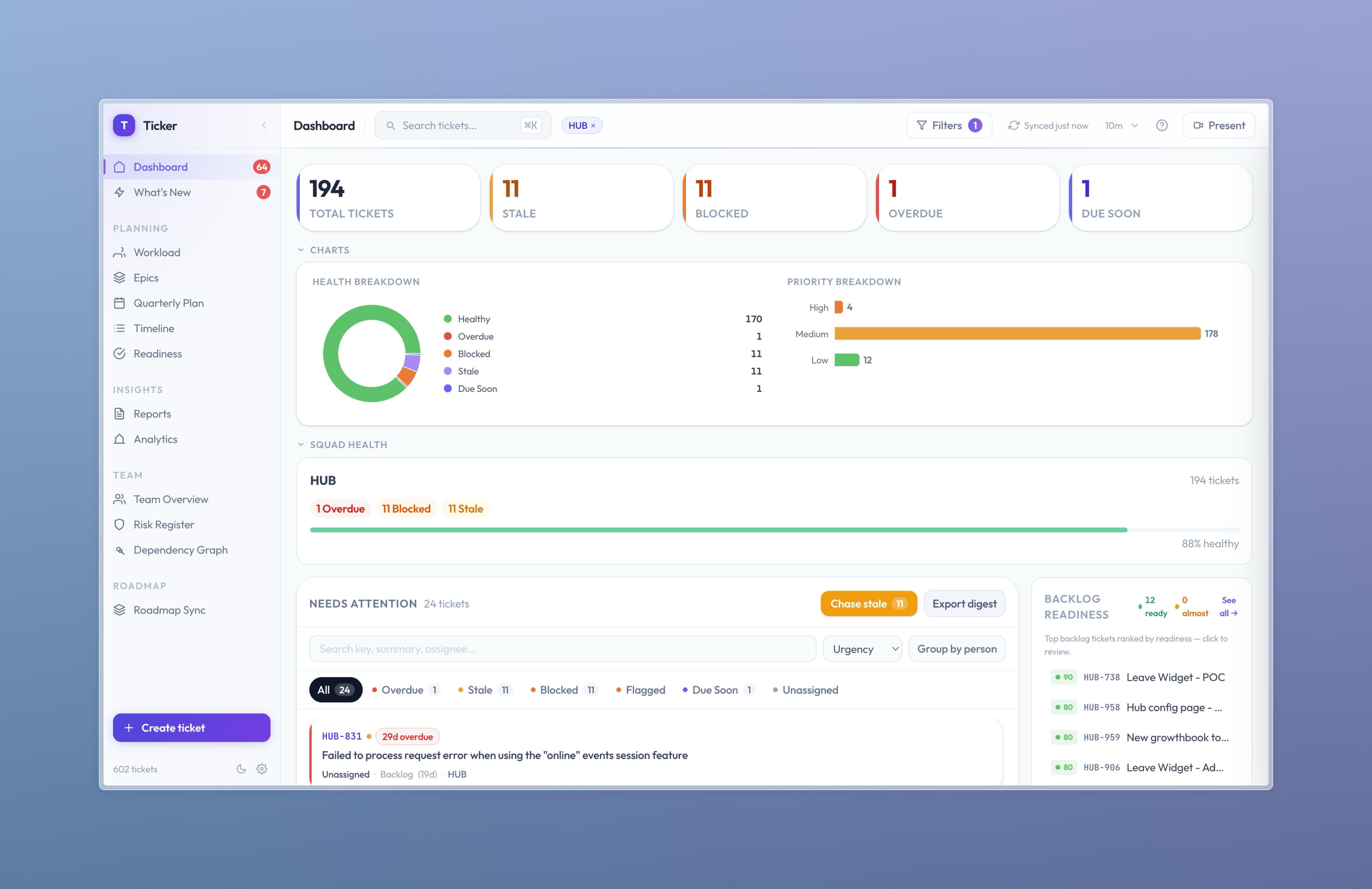
At its core, it’s a dashboard and interaction layer that sits on top of JIRA. It uses a bi-directional sync, allowing me to review, update and manage tickets without constantly navigating the clunky JIRA interface itself.
It sounds small, but it fundamentally changes the experience.
Less admin friction. Faster triage. Cleaner workflows. More focus on delivery instead of tooling.
Five years ago, this probably stays as a “nice idea” in a backlog somewhere.
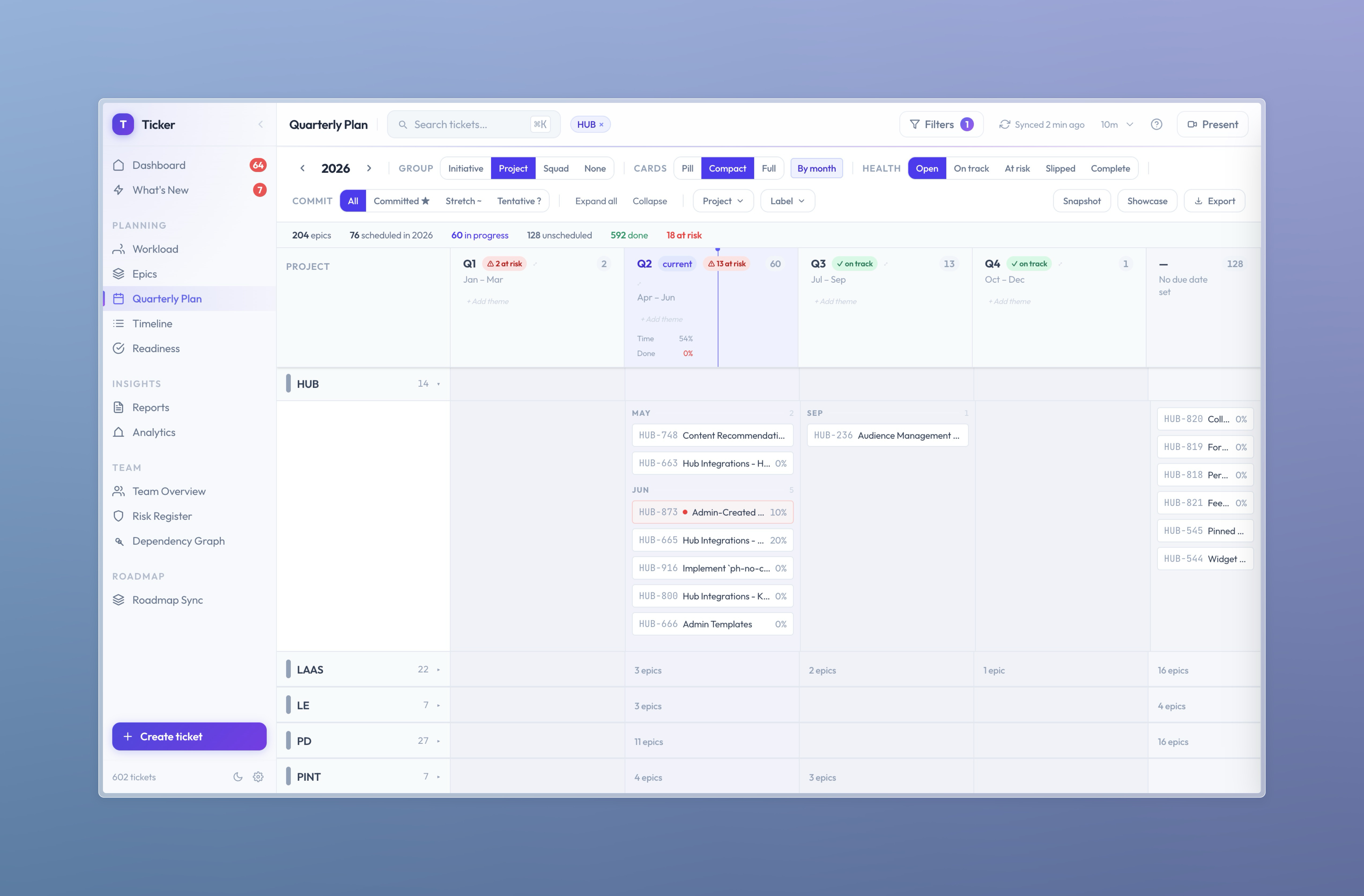
Now, with AI-assisted development, integrations and rapid iteration, it becomes something I can actively shape and improve in parallel with my day job.
Prototyping at the speed of conversation
The second project has probably changed the way I work even more.
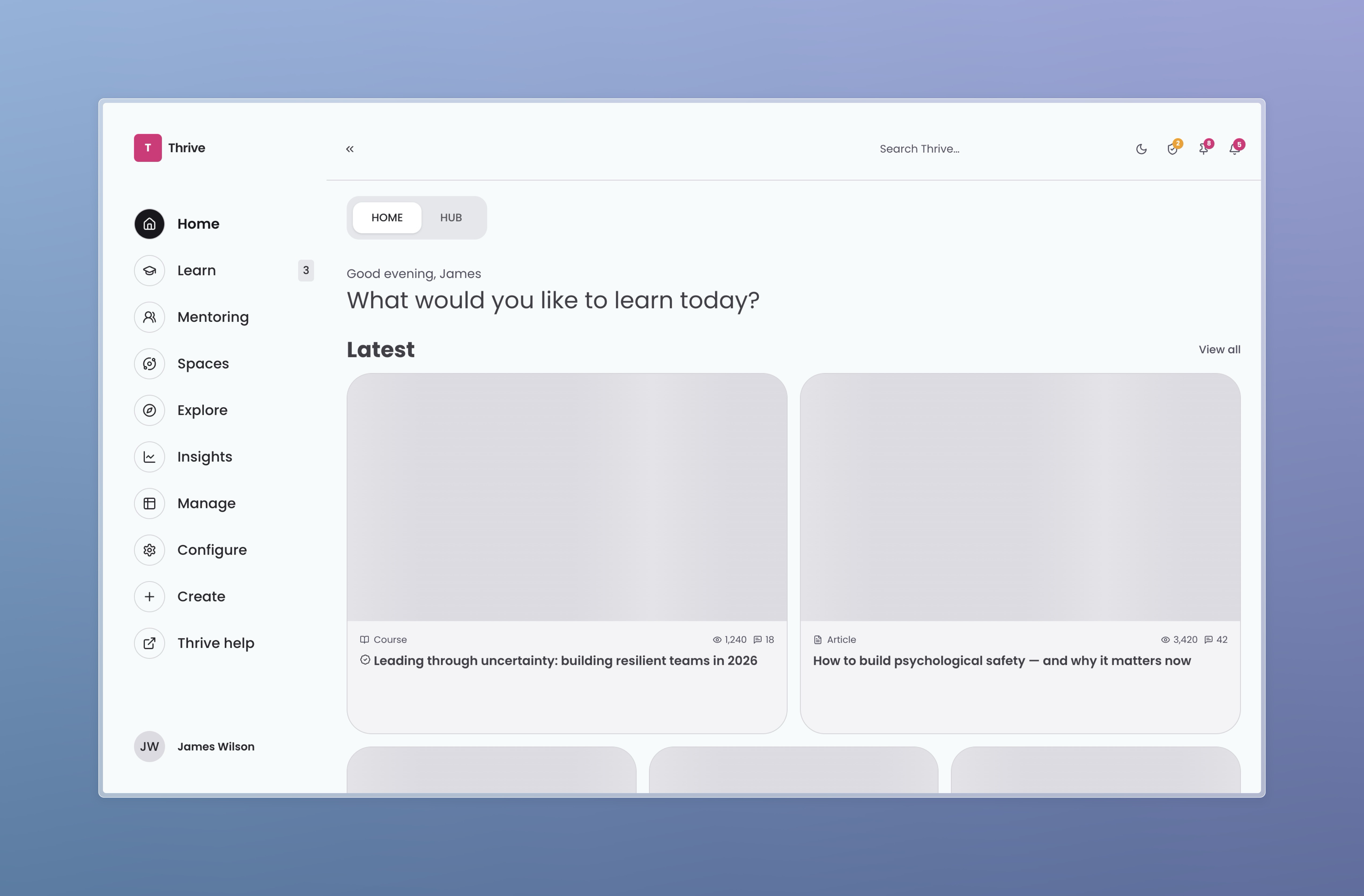
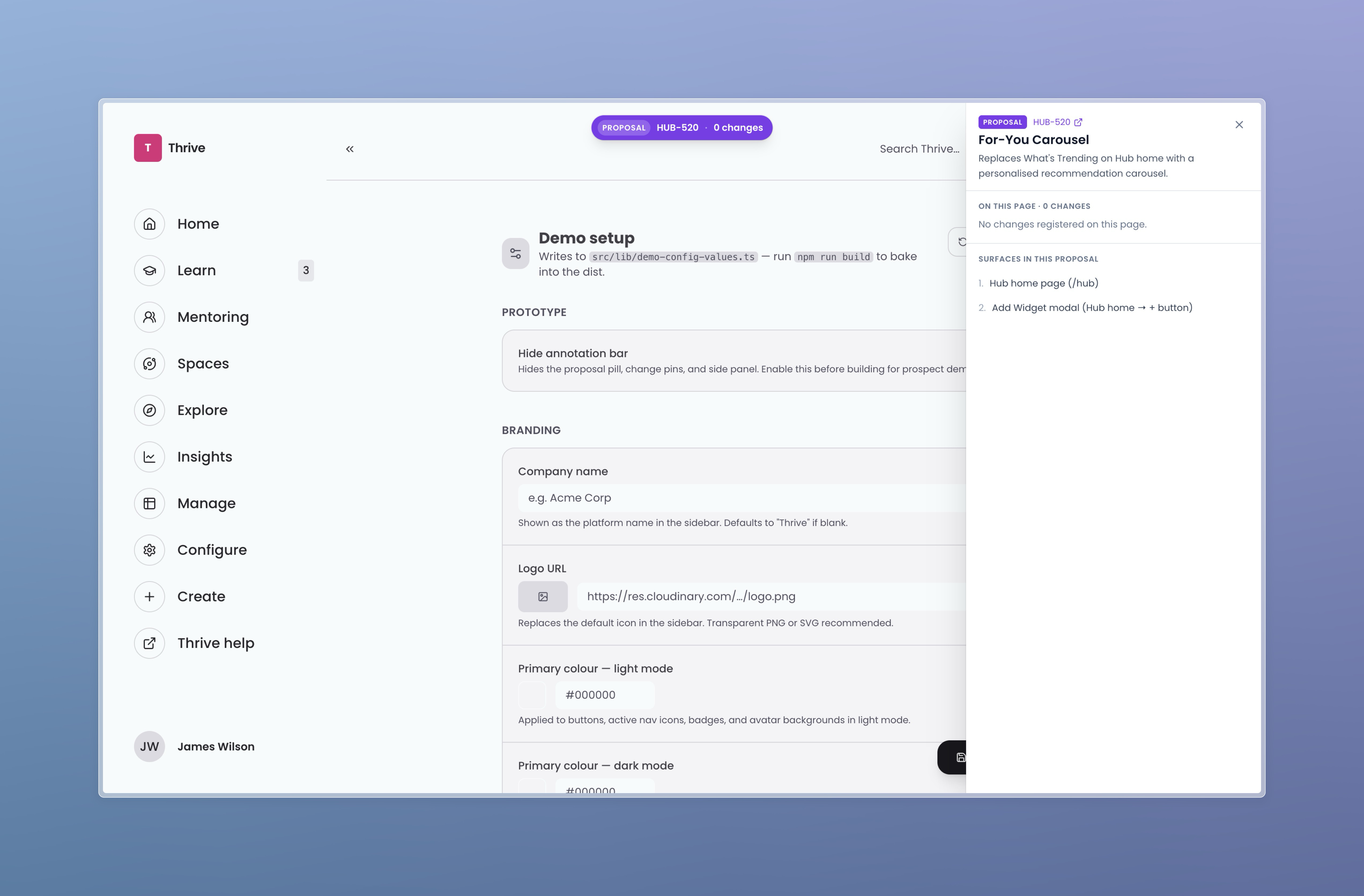
I’ve been building a lightweight prototyping environment that pulls components directly from our frontend codebase and allows me to create functional sandbox experiences.
Not static mockups. Not Figma approximations.
Real interactive experiences using actual components.
I can branch flows, test UX patterns, experiment with layouts and collaborate with design teams in something that feels much closer to production reality.
Again, AI isn’t “doing product management” for me.
But it’s removing the friction between thought and execution.
That gap is shrinking rapidly.
The most valuable skill is becoming leverage
I think this is where a lot of the AI conversation misses the point.
The value isn’t just automation.
It’s leverage.
The best product managers are increasingly becoming orchestrators.
People who can:
- identify problems clearly
- move quickly
- validate ideas early
- communicate effectively
- use AI as a multiplier across thinking, prototyping and execution
AI rewards curiosity.
It rewards experimentation.
And most importantly, it rewards people willing to engage directly with the work rather than waiting for permission to explore.
That was probably the biggest takeaway from our AI Day at Thrive.
Not that AI will replace people.
But that the people who embrace it are going to compound their capabilities at an extraordinary rate.
The gap won’t necessarily be between technical and non-technical people.
It’ll be between people who experiment and people who don’t.
The future probably looks more cross-functional
One thing AI is already doing exceptionally well is blurring traditional role boundaries.
Product managers can prototype. Designers can build. Engineers can explore UX ideas faster. Operations teams can automate workflows independently.
Not perfectly. Not at production quality every time.
But enough to dramatically improve collaboration and velocity.
And honestly, that feels exciting to me.
Because the best product environments have always been the ones where ideas move freely between disciplines.
AI just accelerates that movement.
Final thoughts
The game hasn’t changed.
Great products still require:
- strong thinking
- customer empathy
- clarity
- execution
- collaboration
But the people willing to embrace these new capability layers are suddenly operating with a very different level of support around them.
Just like elite athletes.
The fundamentals still matter.
But the tooling, recovery, training and infrastructure now allow them to perform at levels that previously weren’t possible.
AI feels like that for product teams.
Not magic.
Not replacement.
Just sheer acceleration.